
Home > Book Reviews > Strange Pictures

Review
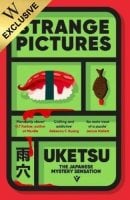
If you have spent any time tracking translated fiction trends lately, you will know that Japanese mysteries are having a serious moment. But Strange Pictures by the masked YouTube personality Uketsu brings something entirely distinct to the table. Originally published in Japan after the author built a massive online following with visual mystery puzzles, this book merges traditional detective fiction with illustrations, sketches, and floor plans that invite you to do the investigative work yourself. Translated into English by Jim Rion and published by Pushkin Press, it is an unorthodox, eerie crime novel that challenges how we consume a mystery.The setup is deceptively simple. The book presents nine distinct visual elements scattered across interconnected vignettes: a series of sketches drawn by an art student shortly before her death, a child’s unsettling drawing of an apartment, a desperate scrawl left behind at a murder scene, and several other innocent-looking images. On the surface, these sketches look harmless or merely eccentric. Look a bit closer, though, and subtle spatial discrepancies, odd line choices, or omitted details begin to hint at something far more sinister. As the pages turn, characters within the book attempt to decipher these visual riddles, uncovering blackmail, secret lives, and cold-blooded killings. The real trick, however, is that Uketsu hands the clues directly to you before explaining them in the text.
What immediately stands out is the structure. Uketsu does not write in long, lyrical paragraphs; the prose is stripped back, almost script-like at times, prioritising dialogue, observation, and quick analytical exchanges. This bare-bones approach keeps the narrative moving at a brisk clip. You will not find paragraphs of lush environmental description or heavy internal monologues here. Instead, the focus stays sharply on logical deduction and visual evidence. Jim Rion’s translation retains this clinical, fast-paced quality, ensuring that the tone feels grounded even when the plot elements border on the macabre.
The interactive format is easily the book’s strongest feature. Reading Strange Pictures feels less like sitting back and listening to a story and more like tackling a puzzle box alongside the cast. You find yourself constantly flipping backward to re-examine an earlier sketch, comparing windows, doors, or line angles against a fresh revelation. That active engagement is rare in modern crime fiction, echoing the classic fair-play whodunits of the Golden Age where all the evidence is placed in plain sight for the reader to spot if they are sharp enough.
Because the book leans so heavily into its format and overarching plot mechanism, character development takes a backseat. The people populating these pages function largely as vehicles to uncover secrets rather than fully rounded individuals with complex emotional lives. If you read crime fiction primarily for deep psychological studies or rich character relationships, you might find the cast a little thin. They serve their purpose well within the mechanics of the mystery, but few of them will linger in your memory long after finishing the last page.
Additionally, the fragmented structure means the book feels more like a collection of linked short stories for the first half before the overarching threads tighten. While the eventual convergence of all nine pictures is undeniably satisfying, a couple of the middle reveals rely on slightly convenient coincidences to bridge the gaps between disparate storylines. Horror fans expecting visceral, blood-soaked scares should also adjust their expectations; the terror here is quiet and eerie, rooted in unsettling implications rather than explicit gore.
I picked this up expecting a quick gimmick and was genuinely surprised by how neatly the pieces locked together in the final act. It is genuinely fun to pause at each illustration and try to figure out what looks off before the characters lay out their deductions. Even when I failed to spot the key clue, watching the logic unravel made for a thoroughly entertaining afternoon read.
Who will enjoy this book?
- Puzzle and logic enthusiasts: Anyone who loves games like Murdle, escape rooms, or visual riddles.
- Fans of Honkaku and Japanese crime: Readers who appreciate fair-play mysteries, locked-room puzzles, and traditional Japanese detective logic.
- Short and bingeable read seekers: Anyone looking for a fast-paced thriller that can easily be devoured in one or two sittings.
Strange Pictures is a refreshing, inventive entry into the mystery genre that successfully translates a visual format onto the printed page. While its light characterisation and procedural tone might not suit readers seeking emotional depth, its clever plot design and interactive gimmick make it a standout read for armchair sleuths.
Rating: 4/5 Stars