
Home > Book Reviews > The Correspondent

Review
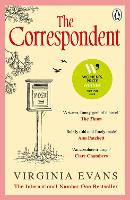
There is something undeniably intimate about reading someone else's mail, even when you know it's a work of fiction. Epistolary novels can be a tricky tightrope to walk—get it wrong and the narrative feels clunky, repetitive, or emotionally distant; get it right and you feel as though you've stumbled into the private chambers of a living, breathing human being. Virginia Evans gets it right in her debut novel, The Correspondent.At seventy-three years old, Sybil Van Antwerp leads what appears to be a quiet, highly structured existence. Her daily routine revolves around the sharp, witty, and often uncompromising letters she types up every morning. Her recipients range widely: her brother, her closest friend, an unyielding university president refusing her request to audit a class she wants to take, and various famous authors who receive her unsolicited (and delightfully scathing) feedback on their latest publications. Crucially, there is also one specific recipient to whom she writes repeatedly, filling pages with raw honesty that she never actually posts.
Sybil has spent thirty years comfortably insulated behind her written words, keeping the people who love her at a deliberate distance. However, when unexpected letters arrive from a ghost in her past, the carefully constructed walls around her heart begin to crumble. She is forced to confront a deeply painful chapter of her life that she thought she had safely tucked away, driving her toward a confrontation with long-buried regret and the daunting prospect of self-forgiveness.
Telling an entire narrative through letters is no small feat, yet Evans handles the format with remarkable poise and style. Sybil's voice springs off the page immediately. She is prickly, opinionated, and fiercely independent, yet underneath her brittle exterior lies a vulnerability that slowly reveals itself as the correspondence deepens. Because we see her both through her own outgoing missives and the incoming responses from others, Evans paints a multi-dimensional portrait of a woman who isn't always easy to like, but who is endlessly fascinating to understand.
The pacing reflects the epistolary format well. It isn't a heart-racing story in the traditional sense; rather, it unfolds at a deliberate, measured stride. The early chapters build up a vivid picture of Sybil's day-to-day quirks, minor battles, and grievances, laying down small emotional breadcrumbs along the way. Once the letters from her past start arriving, the momentum shifts quietly, turning personal history into a quiet mystery that demands resolution.
What works so brilliantly here is how Evans treats ageing and later life. Sybil isn't presented as a cute, eccentric grandmother trope, nor is her age treated as a punchline. She has agency, sharp intellect, unresolved trauma, and the capacity to change, even in her eighth decade. The humour throughout is delightfully dry and observational, offering genuinely funny breaks amidst moments of sharp, poignant grief.
If there is a minor flaw, it lies in the initial hurdle of the format. Epistolary books naturally take a little time to ground the reader. During the first few dozen pages, piecing together who everyone is and where they fit into Sybil’s life requires a touch of patience. Furthermore, readers who prefer dramatic plot twists or high-octane action might find the quiet, domestic scope a bit too understated, particularly during the middle stretch when the narrative settles into routine back-and-forth exchanges.
From a personal standpoint, the real heart of the book is its honest look at how we use habits to protect ourselves from hurt. Sybil’s obsession with typing letters feels like a shield—a clever way to maintain control over conversations without having to face immediate emotional fallout. Watching her slowly lower that guard felt deeply moving. One particular exchange near the final act left me genuinely tearful, not because it was melodramatic, but because the emotional payoff felt so earned and real.
Who will enjoy this book?
- Fans of character-driven contemporary fiction featuring complex older protagonists (similar to works by Elizabeth Strout or Anne Tyler).
- Anyone who appreciates the lost art of letter writing and unique epistolary storytelling.
- Readers who enjoy witty, sharp-tongued main characters with hidden soft centres.
- Readers looking for a warm, quiet story about second chances, reconciliation, and human connection later in life.
The Correspondent is a rich, gentle, and deeply satisfying read. Virginia Evans has crafted a character in Sybil Van Antwerp who will stick with you long after you've closed the back cover. It serves as a lovely reminder that no matter how old we are, or how set in our ways we think we've become, there is always room to soften, forgive, and let people back in.
Rating: 4.5 / 5 stars