
Home > Book Reviews > The Eights

Review
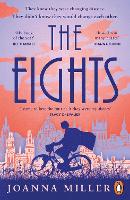
There is a particular atmosphere to stories set in the immediate wake of the First World War. It is a fragile blend of raw grief and desperate, reckless hope. Joanna Miller’s debut novel, The Eights, plunges straight into this delicate landscape, transporting us to Oxford University in the autumn of 1920. This was a monumental moment in British higher education: for the very first time in its long history, women were permitted to formally matriculate and take full degrees alongside men. Against this backdrop of reluctant institutional reform, four young women move into adjacent rooms on Corridor Eight at St Hugh’s, completely unaware of how deeply their lives are about to intertwine.The narrative focuses on Dora, Beatrice, Otto, and Marianne. Each girl brings a distinct background, class perspective, and personal trauma to the dreaming spires. Dora is grounded and practical, eager to forge a life that is not dictated by domestic expectations. Beatrice radiates upper-class polish and sophistication, though it serves largely to cover up a profound vulnerability. Otto possesses a sharp, analytical mind paired with a guarded, prickly exterior, while Marianne offers an open-hearted warmth that frequently holds the quartet together. Though they arrive giddy with dreams of equality and academic freedom, the reality on the ground is stark. Male undergraduates jeer at them in lecture halls, traditionalist dons regard their presence as an unwanted intrusion, and strict chaperoning rules attempt to keep them sidelined. Yet, as the ghosts of the Great War continue to shadow their daily lives, the central struggle for these four turns out to be confronting their own grief, secrets, and evolving identity.
What truly distinguishes this book is Miller’s careful attention to character dynamics. The central friendship is not presented as an instant, effortless miracle; it is forged gradually through shared indignities, late-night tea in draughty bedrooms, and mutual defence against an elitist establishment. The post-war setting feels authentic throughout. The war is not merely decorative background scenery—it functions as a living presence in every scene. Empty places at family dining tables, brothers who never returned from Flanders, and the psychological fractures of survivors are woven quietly into the daily fabric of student life. Miller treats these heavy themes with genuine tenderness, showing how young people attempted to construct meaningful futures out of shattered fragments.
In terms of writing style, Miller writes with an elegant, visually rich touch. She portrays Oxford not as a dusty, romanticised museum piece, but as a living, breathing battleground between medieval tradition and modern social progress. You can practically smell the damp stonework, the ancient leather library bindings, and the autumn rain soaking into heavy woollen coats. The pacing is measured and deliberate. Miller takes her time establishing the setting and allowing each protagonist space to develop. Rather than relying on melodramatic plot twists, the story progresses naturally through internal conflicts, academic hurdles, and the quiet strengthening of personal bonds.
If there is a minor flaw, it lies in a few of the secondary figures. A couple of the anti-matriculation dons and hostile male students feel slightly one-dimensional in their chauvinism, occasionally bordering on theatrical villains rather than believable individuals of their era. Furthermore, the resolution to one of the main personal conflicts in the final act feels a bit compressed, settling complex moral questions slightly too neatly given the emotional weight built up in earlier chapters. However, these are small missteps in an otherwise remarkably assured and balanced debut.
On a personal level, reading The Eights gave me a renewed appreciation for the quiet courage of early female scholars. It is easy to forget how recently women were denied the right to receive degrees they had earned through merit. Miller captures the sheer thrill of learning—the joy of sitting in a library uncovering new ideas—alongside the quiet anger of being told you do not belong. I found myself thoroughly invested in all four women, genuinely caring about where their choices would lead them long after turning the final page.
Who will enjoy this book?
- Readers who love rich historical fiction set in the interwar period.
- Anyone who appreciates character-driven stories focused on female friendship and sisterhood.
- Fans of campus novels, academic settings, and Oxford history.
- Readers who enjoyed books such as The Dictionary of Lost Words by Pip Williams or Small Pleasures by Clare Chambers.
The Eights is a warm, thoughtfully crafted tribute to pioneering women and the enduring strength of female solidarity. It comes warmly recommended for anyone seeking an immersive historical read.
Rating: 4.5 / 5 stars